Please follow us on Truth Social, X, YouTube, Minds, Telegram, Rumble, GETTR, Gab, Instagram
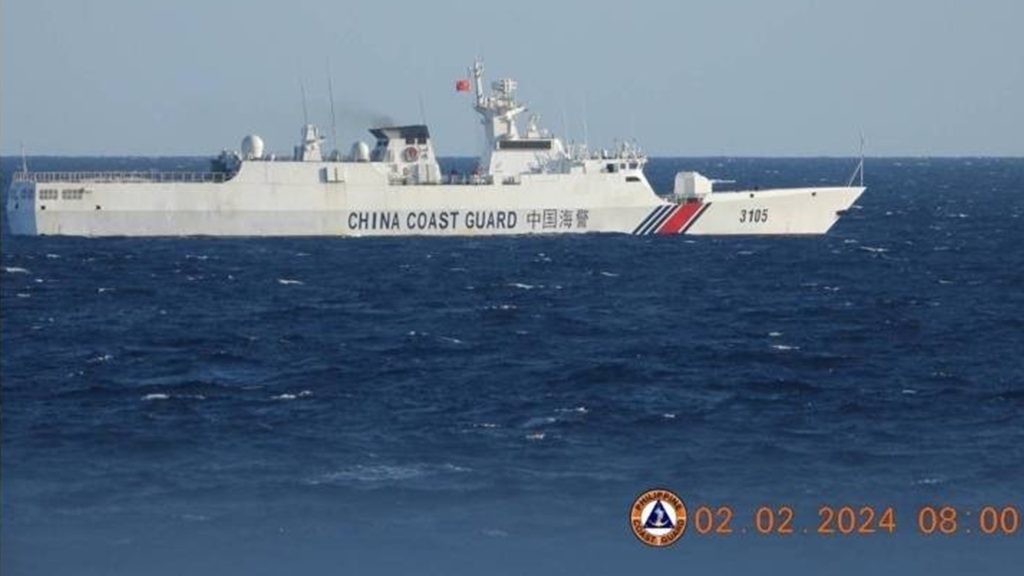
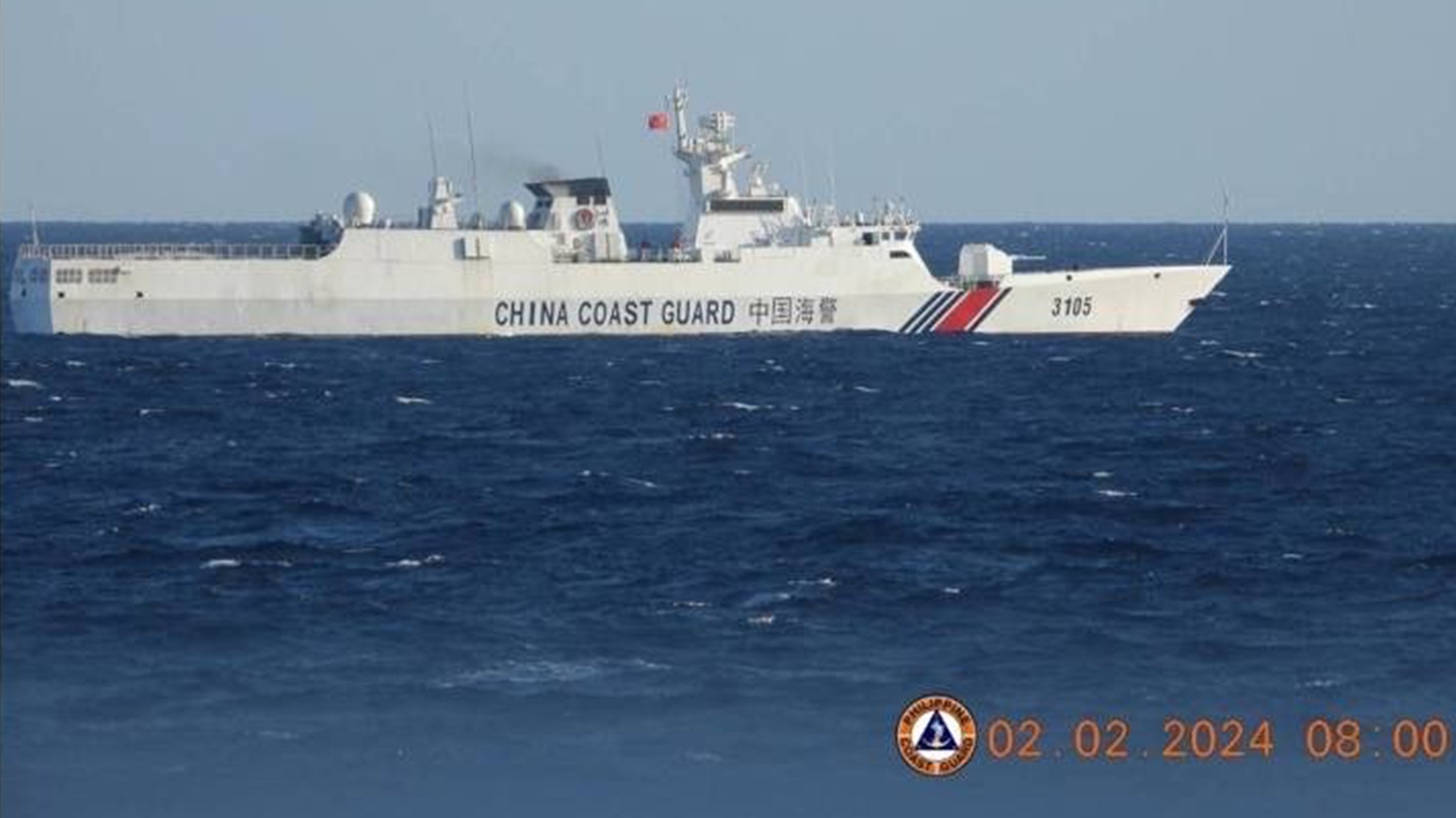
China’s Coast Guard is conducting an unprecedented campaign of maritime coercion in the Philippine Sea. Analysts have confirmed that the Chinese Coast Guard has been stopping and interrogating the crews of nearly 200 commercial vessels in the area.
Asia Maritime Transparency Initiative (AMTI) of Center for Strategic and International Studies (CSIS) wrote about this unprecedented maritime coercion by China in its August 2026 issue. The issue was written just in time as the operations started to take place in mid-June this year, shortly after Japan and the Philippines jointly announced that they were going to discuss ways to delimit their overlapping exclusive economic zones (EEZs) in the Philippine Sea, east of Taiwan.
Japan’s Prime Minister Sanae Takaichi and the Philippine President Ferdinand Marcos Jr. in May 2026 upgraded ties between Japan and the Philippines including possible sale of Japan Maritime Self-Defense Force’s destroyers to the Philippines as well as sharing of classified military information between both sides. Beijing swiftly responded to the two countries’ joint move by deploying large numbers of Coast Guard vessels and survey ships to the Philippine Sea in a series of “unprecedented” operations, according to AMTI.
AMTI notes that even within China’s own EEZ, the Coast Guard has no authority to stop and question vessels in this manner. The Philippine Sea is far beyond the limits of any plausible jurisdictional claim by China.
The region in which China is conducting these surveys is strategically located near Taiwan, and outside the boundary line being discussed by the Japan-Philippines negotiations. Moreover, the type of data that China is collecting can have dual-use values — while appearing to be related to safety of navigation it can also be used for military targeting and even for the routing of attack submarines.
“The scale and character of China’s response suggest that these operations are not just about sending a signal to Tokyo and Manila,” AMTI stated. “Beijing may also see an opportunity to change the status quo by establishing a semi-permanent presence and exercising some form of jurisdiction east of Taiwan.”
Beijing’s operations in the Philippine Sea are consistent with how China has been attempting to assert jurisdiction in the South China Sea: first by establishing presence, then normalizing that presence, and finally, enforcing jurisdiction.
It means that as the US is focused on dealing with the Hormuz conflict and negotiating an end to the Ukraine war, Beijing’s Coast Guard is quietly moving pieces across the Pacific and shifting the balance of power in its favor.
‘NO AD’ subscription for CDM! Sign up here and support real investigative journalism and help save the republic!