Quantcast

Energy Independence

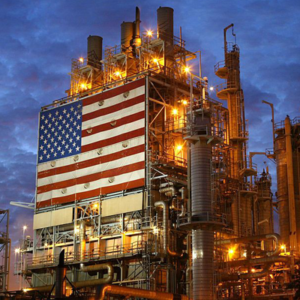
We value energy independence where coal and oil industries flourish while maintaining the pristine quality of our land, air and water. We support clean coal production and clean fracking.


In The News

Financial Repression: How The US Government Will Quietly Confiscate Your Wealth

Financial Repression: How The US Government Will Quietly Confiscate Your Wealth Authored by Nick Giambruno via InternationalMan.com, When I first heard the term “financial repression,” I thought it had to be a joke. Why would governments and central banks use a term with such a negative connotation? Even people who are financially illiterate can understand that financial repression is a bad thing. Simply put, financial repression is a strategy governments use to reduce their debt burden by manipulating interest rates below inflation. It allows them to borrow in dollars and repay in dimes. Here’s how the IMF describes it, emphasis mine: “Financial repression includes directed lending to government by captive domestic audiences (such as pension funds), explicit or implicit caps on interest rates, regulations of cross-border capital movements, and (generally) a tighter connection between government and banks.” More from the IMF: “High public debt often produces the drama of default and restructuring. But debt is also reduced through financial repression, a tax on bondholders and savers via negative or below-market real interest rates. After WWII, capital controls and regulatory restrictions created a captive audience for government debt, limiting tax-base erosion. Financial repression is most successful in liquidating debt when accompanied by inflation.” For example, if inflation is 9% and governments fix interest rates at 4%, there is an ongoing 5% wealth transfer from the lender to the borrower. And that transfer compounds over time. I think financial repression is how the US government will try to manage its otherwise impossible debt situation. Consider this. Among the biggest expenditures for the US government are so-called entitlements like Social Security and Medicare. It’s unlikely any politician will cut entitlements. On the contrary, I expect them to continue growing. That’s because tens of millions of Baby Boomers—about 22% of the population—will enter retirement in the coming years.

Read More »

Bugle Call