Geothermal Power Is Emerging As An AI Energy Source For The Trump Administration
A little-used corner of the clean-energy market is getting a potentially decisive trial in Utah. At a government-backed research site, engineers are testing whether equipment and expertise developed during America’s shale boom can turn deeply buried heat into a dependable source of electricity, according to Bloomberg.
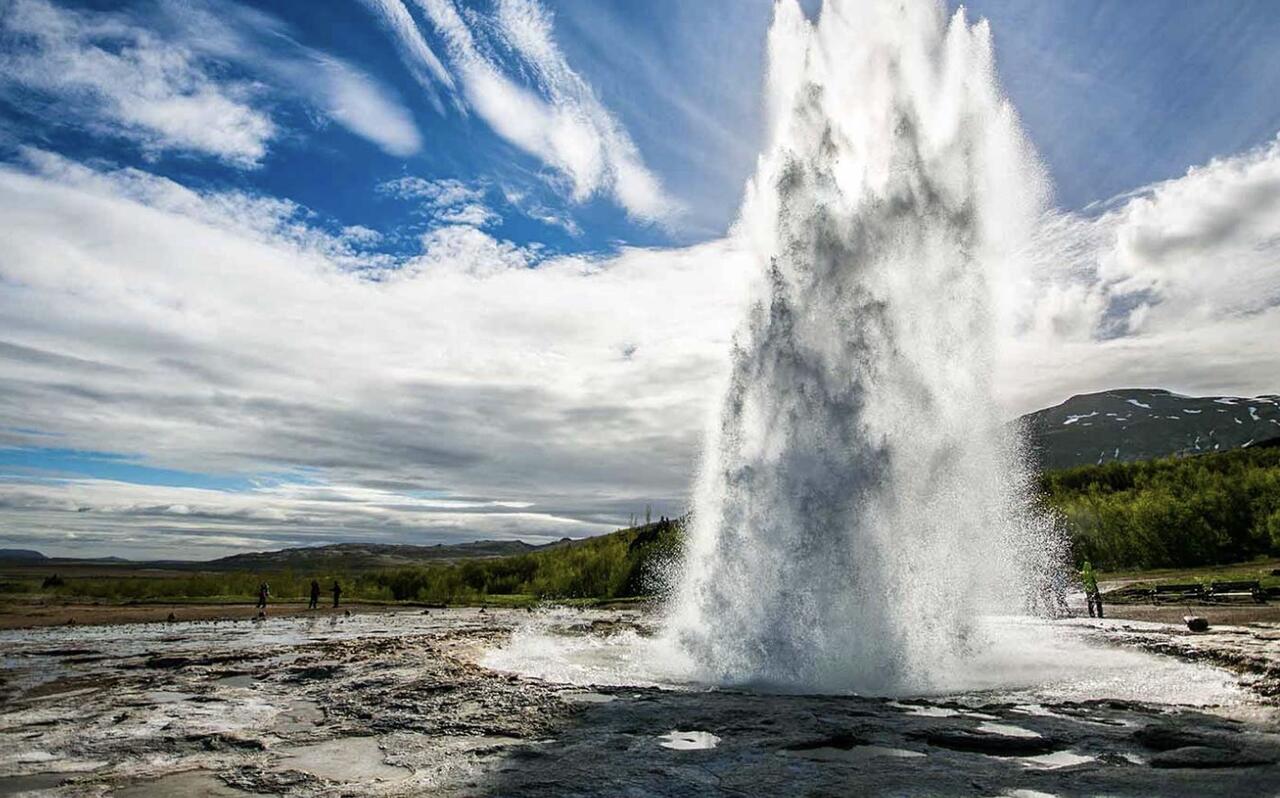
Conventional geothermal power works only where heat, permeable rock and underground water happen to occur together. The newer approach tries to manufacture those conditions. Wells are drilled several miles down, water is sent through cracks in hot rock and the heated fluid is brought back to the surface, where its energy can be converted into electricity.
Bloomberg writes that success would considerably enlarge the industry’s geographic reach. Instead of being restricted to rare geological formations, geothermal projects could spread across parts of the western United States where sufficiently hot rock lies within drilling distance. Supporters envision a low-emission power source capable of operating day and night, regardless of sunlight or wind.
That consistency has become more valuable as data centers increase electricity demand. AI infrastructure requires enormous quantities of uninterrupted power, giving geothermal developers a potential customer base willing to sign long-term supply contracts. Fervo Energy, which is developing a project near the Utah research site, already has a deal connected to Alphabet, although commercial output there is not expected until later this year.
The Utah experiment is intended to answer whether the concept can work continuously outside a controlled demonstration. Researchers will watch how quickly the underground system loses heat, how much injected water disappears and whether repeated pumping produces problematic seismic activity. Even encouraging technical results will still need to be replicated at other locations and translated into commercially viable projects.
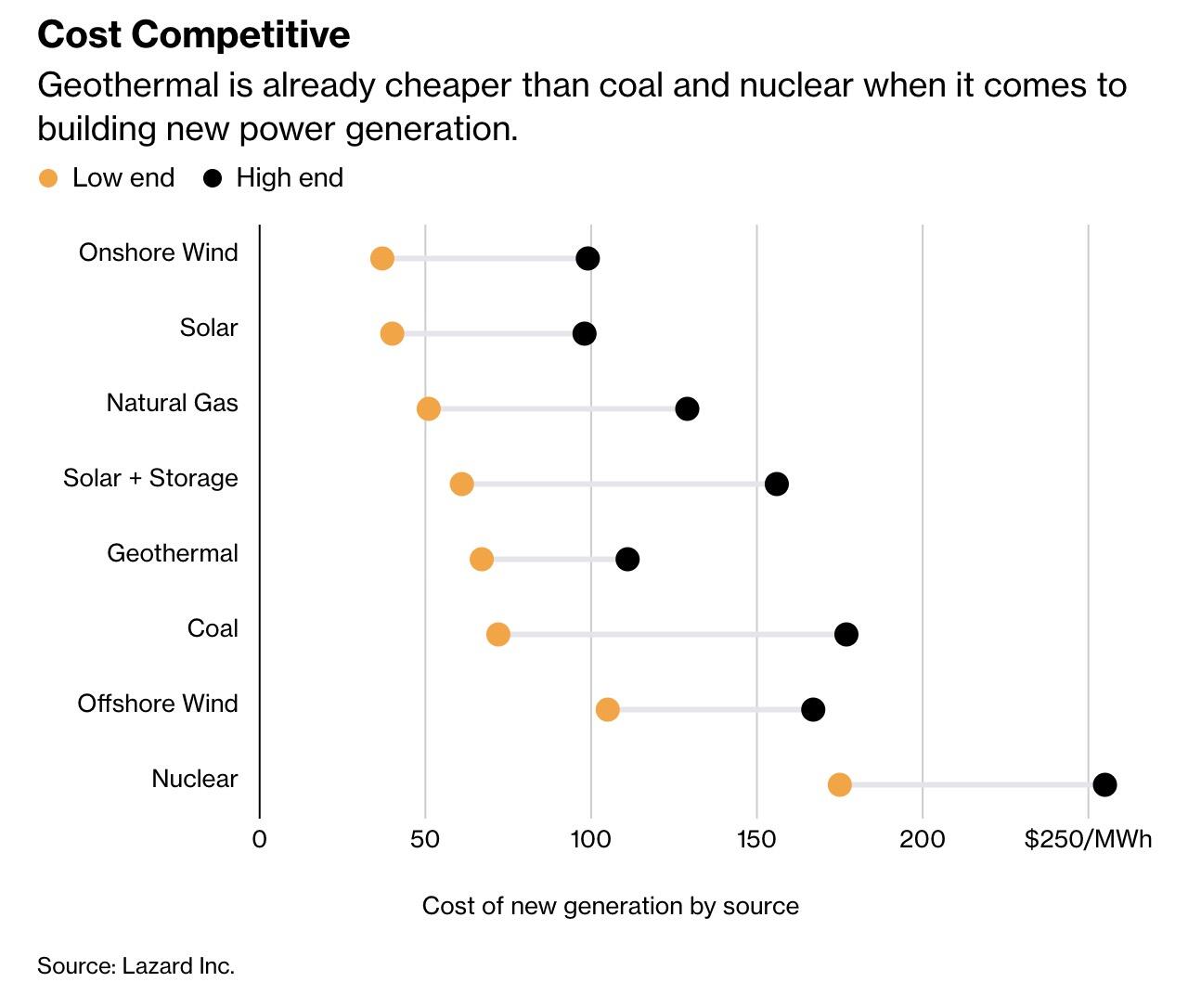
Geothermal has retained political support that wind and solar have recently lost. The Utah program began during the Obama years, has attracted $328 million in federal commitments since 2020 and remains supported by the Trump administration. Industry cost estimates suggest new geothermal facilities can already compete with several other forms of electricity generation, although drilling remains expensive and project development carries substantial geological risk.
The experiment could therefore determine whether enhanced geothermal becomes a meaningful national energy source or remains a promising niche. If developers can drill deeper, preserve underground heat and repeat the process at declining cost, technology inherited from the oil industry could help create a new class of always-available clean power plants.
Tyler Durden
Fri, 08/28/2026 – 19:40