
Please follow us on Truth Social, X, YouTube, Minds, Telegram, Rumble, GETTR, Gab, Instagram
According to tanker-tracking data reviewed by Iran International, Iran’s crude oil exports have fallen to one-seventh of pre-war levels as the U.S. naval blockade continues to strangle Tehran’s primary revenue source. On average, Iran has loaded about 287,000 barrels per day of crude oil so far in August. Prior to the start of the war, Iran’s crude oil exports had stood at around 2 million barrels per day.
China, Iran’s largest oil customer, has been able to receive an average of 523,000 barrels per day of Iranian crude oil so far in August. This is down from more than 1.7 million barrels per day that China had been receiving from Iran in the early months of the war. Kpler estimates that there are more than 40 million barrels of oil stuck on tankers in the Persian Gulf and Gulf of Oman after the US reimposed a maritime blockade on Iran in mid-July.
Refined oil exports are also down sharply. Fuel oil exports have dropped from 220,000 b/d in early 2026 to 61,000 b/d in August this year. Iran’s LPG exports, meanwhile, have almost come to a standstill, from 110,000 b/d in early 2026 to 15,000 b/d in August. Oil and fuel oil accounted for $57.5 billion or 55% of Iran’s total exports in 2025, according to data from Iran’s central bank.
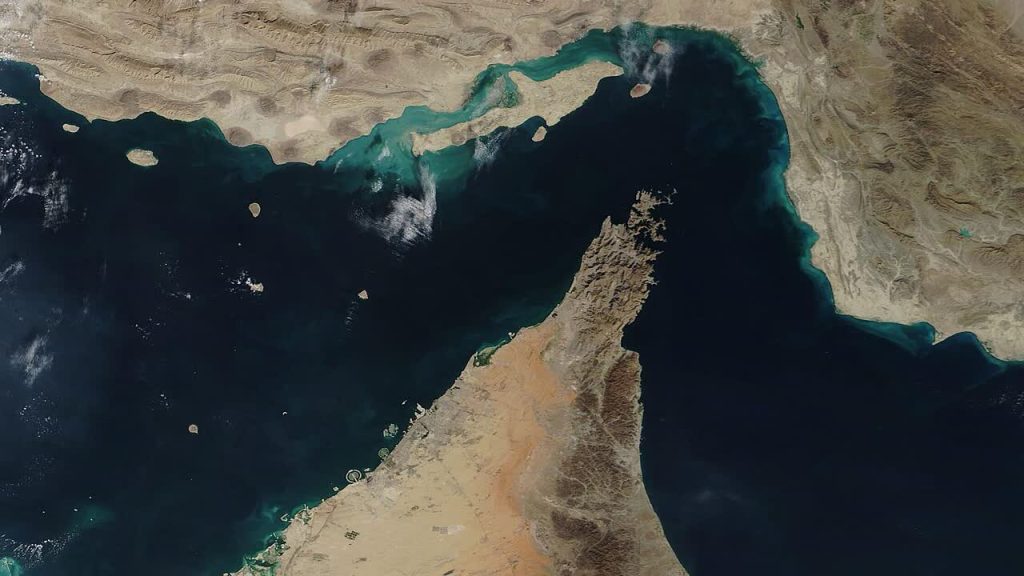
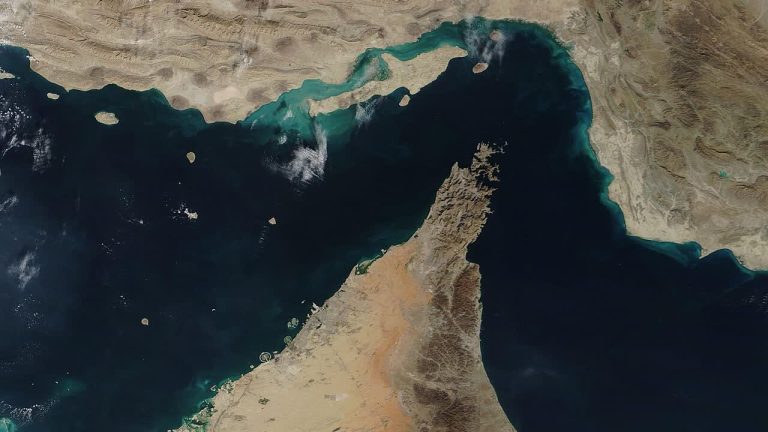
Commercial traffic passing through the Strait of Hormuz is currently at 20% of pre-war levels, with daily ship transits averaging in single figures. Many of the vessels transiting the waterway are being subjected to harassment by IRGC forces, including UAV overflights, VHF hailing and the declaration of active mine danger areas. UKMTO reports that 103 ships have entered the waterway in the last week, with 45% of them being tankers, a significant number given the current tension in the area and the waterway’s importance to the global supply of energy.
As the U.S. is gearing up to impose the toughest ever sanctions on Iran, the Islamic Republic has warned of “devastating” consequences for any new threats. Iran’s Armed Forces chief of staff Ali Abdollahi issued the warning on Friday in a message to acting Defense Minister Mohammad Bouhtgage published by the government-run Iranian Students’ News Agency.
But no deal has been struck in the 60-day window afforded by the Islamabad Memorandum, as President Trump suggested yesterday that Iran is not yet ready for the ‘right deal’; the US, he added, is ‘in control’ of the Strait of Hormuz, through which the greater part of the world’s oil supply is transported. The parliament speaker of Iran, Mohammad Bagher Ghalibaf, listed the conditions for Iran’s return to trade in the Strait — including a lifting of all the oil sanctions currently in place, and an end to military threats against Iran. Those conditions have been flatly rejected by the US.
Iran’s oil is being loaded onto tankers at historic lows. Meanwhile secondary sanctions are being threatened against any country which provides Iran with a financial lifeline in the face of the economic vice now closing around the Islamic Republic.
‘NO AD’ subscription for CDM! Sign up here and support real investigative journalism and help save the republic!