
Please follow us on Truth Social, X, YouTube, Minds, Telegram, Rumble, GETTR, Gab, Instagram
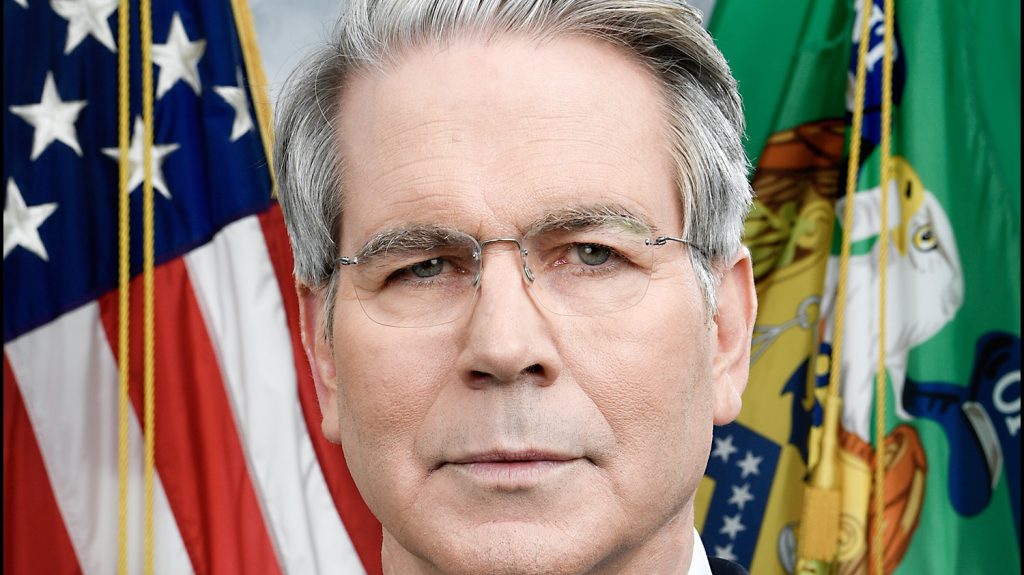
According to Treasury Secretary Scott Bessent, this morning the United States announced the toughest sanctions in history on Iran. A formal press conference will be held on Monday, August 24 to outline the new sanctions in more detail. For now, it seems that the strategy announced by Bessent on CNBC this morning will be a “one-two punch” of sorts: in addition to the current blockade of the Strait of Hormuz by the US Navy, the new economic measures will aim to cut off all of the remaining financial lifelines of the government of Iran.
A central goal of the U.S. strategy to pressure Iran is to get China, which currently buys over 80% of Iran’s remaining seaborne oil exports, to support efforts to get Tehran to return to a peaceful posture.
As Treasury seeks to cut off all of Iran’s financial lifelines, Bessent told CNBC that China should “get with the program” and support international efforts to reopen the Strait of Hormuz. In terms of secondary sanctions, the Treasury Secretary declined to rule out sanctions on the financial institutions of Chinese refiners, as well as on the shipping companies and banks that service them.
The newly announced measures come at a highly sensitive moment, given that the US-Iran memorandum of understanding signed in Islamabad expired on August 17, with no new agreement to replace it. Subsequently, Iran’s military returned to an aggressive posture, and two Iranian missiles struck the Persian Gulf on August 18.
The following day, the UAE suspended all trade with Iran. China’s foreign ministry on Thursday evening responded to comments from US Treasury Secretary Scott Bessent earlier in the day by stating that sanctions would not solve the core of the Iran conflict.
By Monday’s press conference the US Treasury Department is expected to reveal the specific Chinese banks and oil refiners that will be targeted by the new sanctions. Crucially, the Treasury Department will also outline the size of the counterparties involved in the trade.
Whether or not the US is willing to risk an economic conflict with China in order to close the financial gap is what will be most watched by markets, by Iran and by China.
‘NO AD’ subscription for CDM! Sign up here and support real investigative journalism and help save the republic!