Please follow us on Truth Social, X, YouTube, Minds, Telegram, Rumble, GETTR, Gab, Instagram
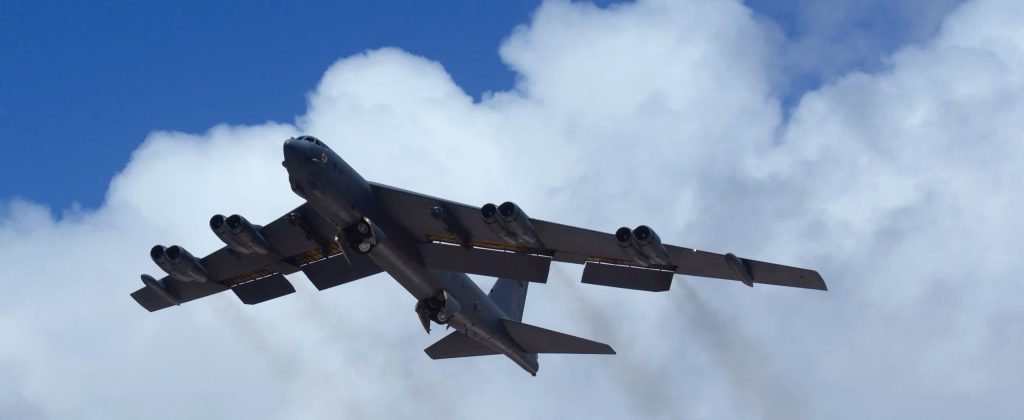
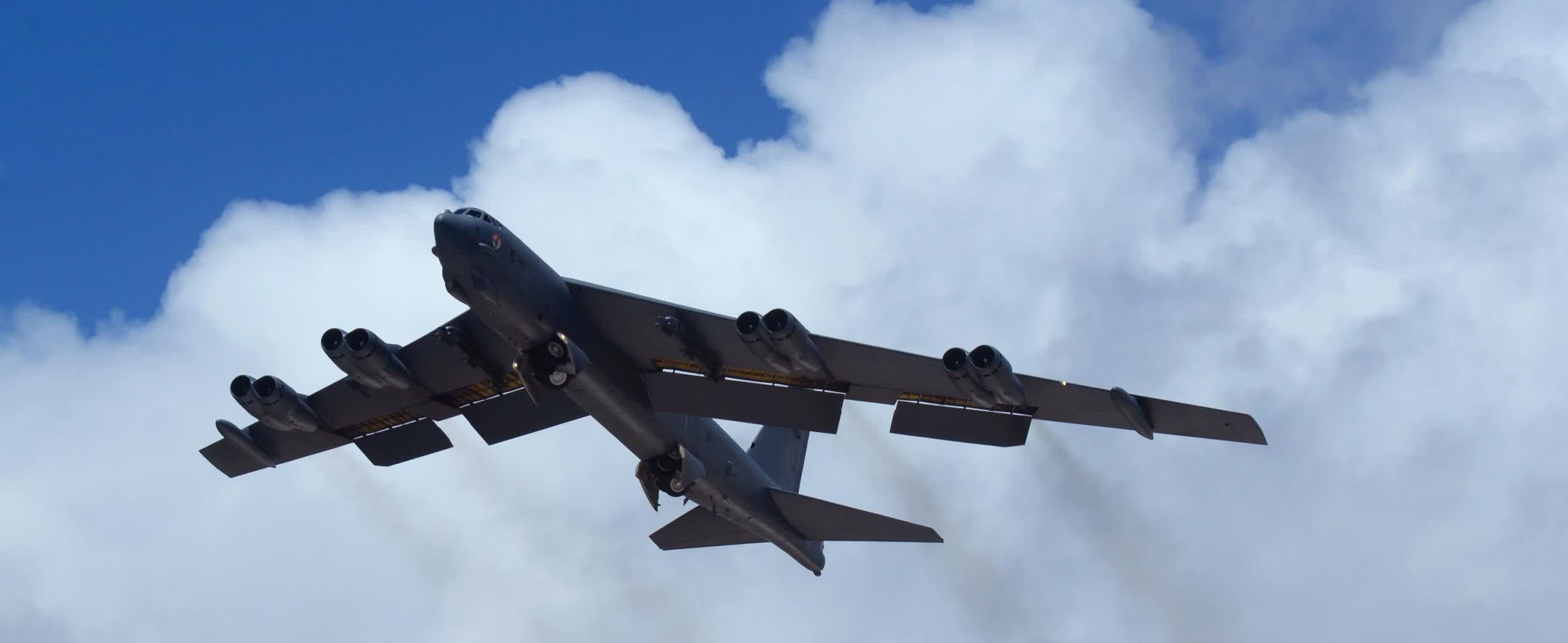
President Donald Trump is seriously considering a major expansion of military operations against Iran, with U.S. and Israeli officials preparing coordinated strike options targeting Iranian power plants, oil refineries, and energy distribution infrastructure, according to multiple reports citing U.S. officials. No final order had been issued as of Friday, but the planning signals a significant escalation — a shift away from targeted military strikes toward a broader campaign aimed at crippling Iran’s economy and its ability to sustain the conflict.
The possible campaign was discussed during Trump’s Cabinet meeting at Camp David on Friday. Trump was direct: “We’ll be hitting them very hard. At some point, they’re going to say, ‘We just can’t take it anymore.’” Chief Pentagon spokesman Sean Parnell confirmed the military is ready to move immediately: “The Department of War is locked and loaded, ready to execute the president’s directives at a moment’s notice.” Officials were also reportedly weighing whether to execute any strikes before global financial markets open Monday — a sign of how seriously the White House is gaming out the economic fallout.
Oil Markets On Edge
The prospect of strikes on Iranian energy infrastructure has sent oil traders into risk-management mode heading into the weekend. The 2026 Iran war has already been characterized by the International Energy Agency as the “largest supply disruption in the history of the global oil market,” echoing the stagflationary dynamics of the 1970s energy crisis. Brent crude spiked above $90 a barrel during peak fighting in July before retreating when a brief pause in U.S. strikes took hold — dropping over 5% in a single session when the ceasefire window opened. That volatility is the new baseline.
Goldman Sachs has warned that Brent should only moderate toward $80 a barrel “if Hormuz fully reopens” by Q4 2026 — a big if. The Strait of Hormuz, through which roughly 20% of the world’s oil supply passes, has been intermittently disrupted since fighting began. Any strikes on Iranian refineries or power plants could prompt Tehran to retaliate by mining the strait or escalating naval harassment, pushing prices sharply higher again. Stock markets globally have tracked each escalation cycle, with bonds selling off alongside equities as inflation fears compound geopolitical risk. The Federal Reserve’s path on interest rates has been complicated by the conflict, with rate cut expectations repeatedly pushed back as energy prices keep inflation elevated.
Iran’s Regional Retaliation Threat
Iran has responded to the strike reports with explicit threats to expand the conflict across the entire Middle East energy complex. According to Iran’s state-affiliated Tasnim News Agency, Tehran has identified major oil and gas installations across Saudi Arabia, the UAE, Qatar, Kuwait, Bahrain, and Israel as potential retaliation targets. The threat is designed to deter Washington by raising the stakes beyond Iran itself — a strike on Iranian infrastructure could trigger cascading disruptions across the Gulf’s entire production base, affecting global supply far beyond what Iran alone represents.
The White House said Trump’s principal objective remains preventing Tehran from acquiring a nuclear weapon. “As President Trump said at his Cabinet meeting today, the United States will win, and Iran will not have a nuclear weapon under his watch,” White House press secretary Karoline Leavitt said. Diplomacy has stalled after weeks of unsuccessful ceasefire negotiations, and The Wall Street Journal reported Trump has grown increasingly doubtful that Iran will accept any deal without further military pressure. Markets will be watching closely when they open Sunday evening.
‘NO AD’ subscription for CDM! Sign up here and support real investigative journalism and help save the republic!