
Please follow us on Truth Social, X, YouTube, Minds, Telegram, Rumble, GETTR, Gab, Instagram
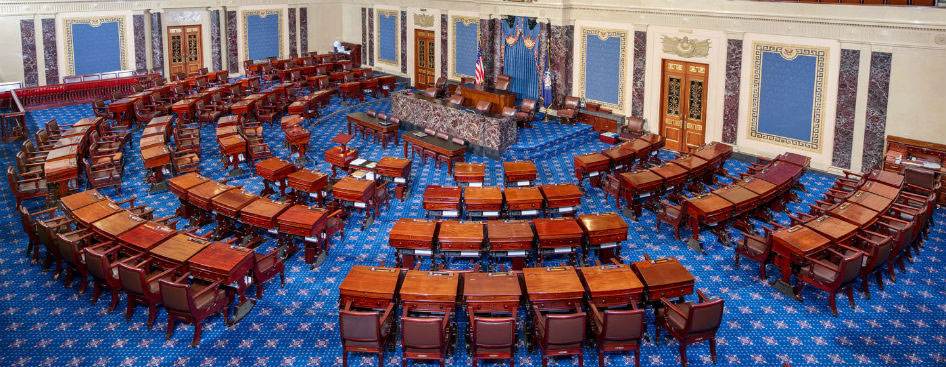
In a stunning display of bipartisan war fever, the U.S. Senate voted 86 to 12 Tuesday evening to advance the Lindsey O. Graham Sanctioning Russia and Iran Act of 2026 — a sweeping piece of legislation that would impose 100 percent secondary tariffs on any country that continues purchasing Russian oil and gas, crush Iran’s remaining financial lifelines, and give the Trump White House broad new tools to escalate economic warfare against Moscow and Tehran simultaneously. The vote, a procedural cloture motion that clears the path for full Senate consideration, passed on the same day Washington formally laid Graham to rest — a fact Republican war hawks were not shy about invoking on the Senate floor, per The Guardian and Axios.
The bill’s centerpiece is its secondary tariff mechanism targeting the five largest importers of Russian oil and gas — a provision widely understood to be aimed squarely at China, India, Turkey, and several other states that have continued buying Russian energy at deeply discounted prices in defiance of Western sanctions. Per The Hill, the legislation also allows Trump to impose targeted tariffs on the top five countries helping Russia evade existing oil sanctions — again, a China-first targeting framework dressed up in neutral legislative language. The bill further goes after Russia’s so-called “shadow fleet” — the network of aging, poorly insured tankers that Moscow uses to circumvent Western sanctions and move oil to willing buyers.
Opponents of the bill, including the twelve senators who voted no, raised the obvious concern: a measure this sweeping threatens to blow up Trump’s own peace negotiations, both with Russia over Ukraine and with Iran over the Hormuz standoff. The White House has not indicated whether the president would sign the legislation if it reaches his desk. Unnamed administration officials have warned senators privately that Trump views the bill as a constraint on his deal-making latitude — and that its 100 percent tariff hammer, if applied to China, could reignite a trade war just as Beijing-Washington relations are navigating the Iran arms transfer revelation, per Axios.
The 86-12 margin, however, is worth examining closely. In a chamber that cannot agree on naming a post office, a supermajority of this magnitude does not happen by accident. It reflects the bipartisan consensus of the foreign policy establishment — the same Blob that wants permanent military engagement and permanent leverage over sovereign governments that dare to chart their own course. Rand Paul was among the twelve dissenters; his position that Congress is being stampeded into a second Cold War simultaneously on two fronts has been vindicated by the bill’s own breadth. The legislation reaches far beyond Russia and Iran and could conceivably trigger a global energy price shock if applied against China without a negotiated off-ramp.
The bill now heads toward a final floor vote, where its sponsors are confident it will pass. But the real battle is at 1600 Pennsylvania Avenue. If Trump signs it, he hands Congress a template for constraining executive diplomacy through economic law — a precedent the uniparty could weaponize against any future president who tries to negotiate peace instead of perpetuate conflict. That, ultimately, is what 86 senators voted for Tuesday: not sanctions, but a cage.
‘NO AD’ subscription for CDM! Sign up here and support real investigative journalism and help save the republic!