
Please follow us on Truth Social, X, YouTube, Minds, Telegram, Rumble, GETTR, Gab, Instagram
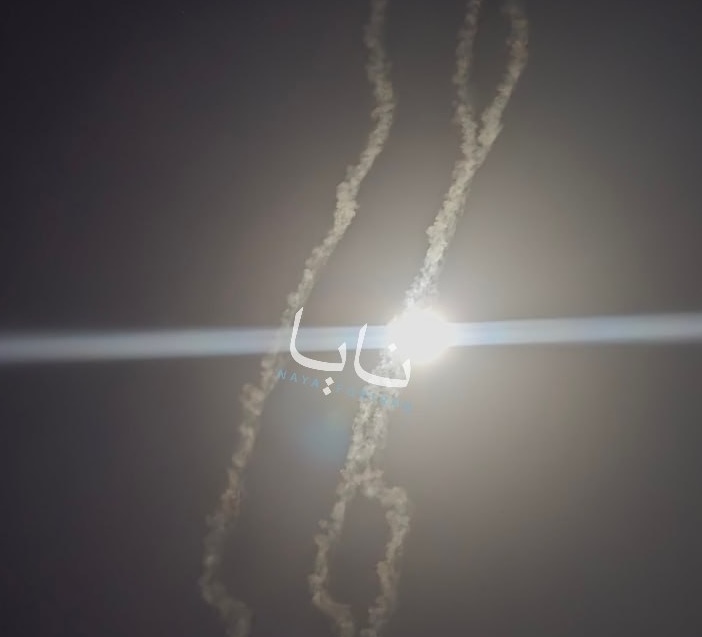
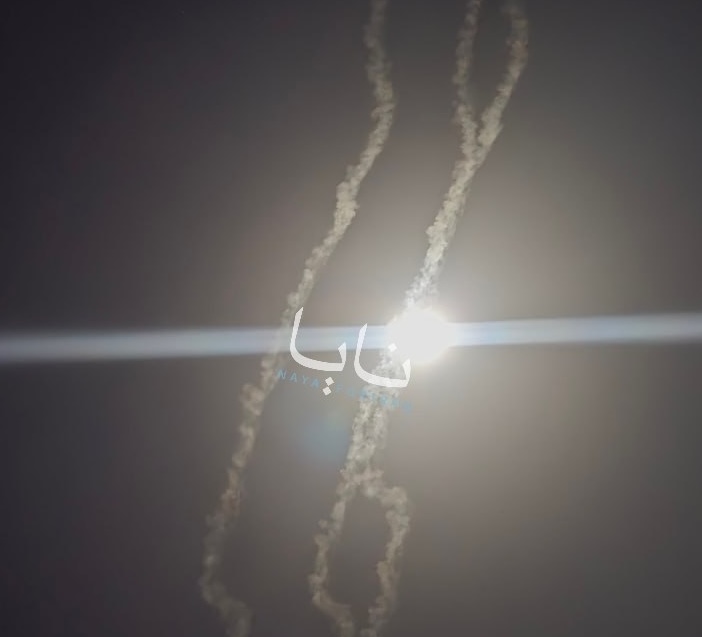
Iran’s Islamic Revolutionary Guard Corps launched multiple ballistic missiles at U.S. military bases in the Middle East at 5:45 p.m. ET Tuesday, in what U.S. Central Command called an “attempted surprise attack” — breaking a brief pause in hostilities as diplomats scrambled to broker a ceasefire.
CENTCOM confirmed all incoming missiles were successfully intercepted. “U.S. forces remain vigilant and at a high state of readiness,” the command said in a statement. The attack came as Iranian negotiator Mohammad Marandi stated publicly that Iran is “ready for war” with the United States.
The strike coincides with Israeli Prime Minister Benjamin Netanyahu’s visit to Washington for meetings with President Trump — their first face-to-face since the two leaders launched joint Operations Roaring Lion and Epic Fury against Iran on February 28. Trump and Netanyahu reaffirmed their commitment to preventing Iran from acquiring nuclear weapons, even as Trump publicly pushed back on Netanyahu’s public disclosures about Iran’s Pickaxe Mountain nuclear facility.
“I know exactly what’s going on at Pickaxe. It’s not a big problem,” Trump told Fox News ahead of the meeting. Despite signs of tension, both leaders described the subsequent conversation as “extremely positive,” with a senior Israeli source confirming it was “an excellent and comprehensive discussion on the key issues of the day, first and foremost Iran.”
Tuesday’s attack adds further strain to already depleted U.S. missile defense stockpiles. A new analysis from the Center for Strategic and International Studies warns that shrinking Patriot and THAAD interceptor inventories may force commanders to take greater risks — accepting higher odds that Iranian missiles get through — to conserve remaining supplies. Eighteen U.S. soldiers have been killed in the conflict to date, CENTCOM has confirmed.
Meanwhile, the U.S. naval blockade of Iranian ports continues, now blocking 18 ships from entering or exiting. Strait of Hormuz transits have collapsed — from roughly 100 vessels per day before the war to just 29 crossings recorded July 24–26. Oman-mediated negotiations toward a temporary shipping deal showed some progress Tuesday, with Middle East diplomats reporting movement, though no final agreement has been reached. Iran separately rejected a proposal by Oman to allow a third-party country to de-mine the strait.
‘NO AD’ subscription for CDM! Sign up here and support real investigative journalism and help save the republic!