
Please Follow us on Truth Social, X , Youtube , Minds, Telegram, Rumble, GETTR, Gab, Instagram
For the first time since Operation Epic Fury began on February 28, US Central Command made no public announcement of new strikes against Iran on Friday, marking what appears to be the first pause in nearly two weeks of continuous aerial bombardment. According to CNN, after pummeling Iranian military targets for thirteen consecutive nights — hitting command centers, drone storage facilities, coastal surveillance sites, and maritime capabilities across Khuzestan, Bandar Abbas, and Qeshm Island — CENTCOM issued no strike announcement during Friday Eastern Time. Officials declined to clarify whether this represented a deliberate operational pause, a shift in tactics, or a temporary halt pending negotiations. The silence was deafening given that American gas prices have now surged nearly 35 percent since the operation began, with the national average hitting $4.019 per gallon according to AAA data tracked by multiple outlets.
The pause coincides with a politically explosive development on the home front: the White House’s emergency military funding request — reportedly worth tens of billions of dollars — has effectively stalled in Congress, according to Bloomberg. Lawmakers on both sides of the aisle are balking at the price tag of a war that the Trump administration launched without formal congressional authorization. The administration is now reportedly scrambling to find alternative funding sources, a situation that raises serious questions about how long America’s high-tempo strike campaign can be sustained without a supplemental appropriation. Defense hawks argue the money is necessary to replenish depleted munitions stockpiles; fiscal conservatives are pushing back on open-ended war costs; and progressives argue the war itself was unlawful to begin with.
Into this financial and political vacuum, Trump himself signaled Friday that a diplomatic off-ramp may be on the table. The president stated publicly that Iran would “love to make a deal” — a notable shift in tone from the previous week’s escalatory rhetoric about bombing bridges and threatening civilian infrastructure. Meanwhile, Trump separately said he believes the claims of both Vladimir Putin and Xi Jinping that Moscow and Beijing are not supplying weapons to Tehran — a statement that drew immediate skepticism from analysts who note that Russian and Chinese material support for Iran has been a central concern since the war began.
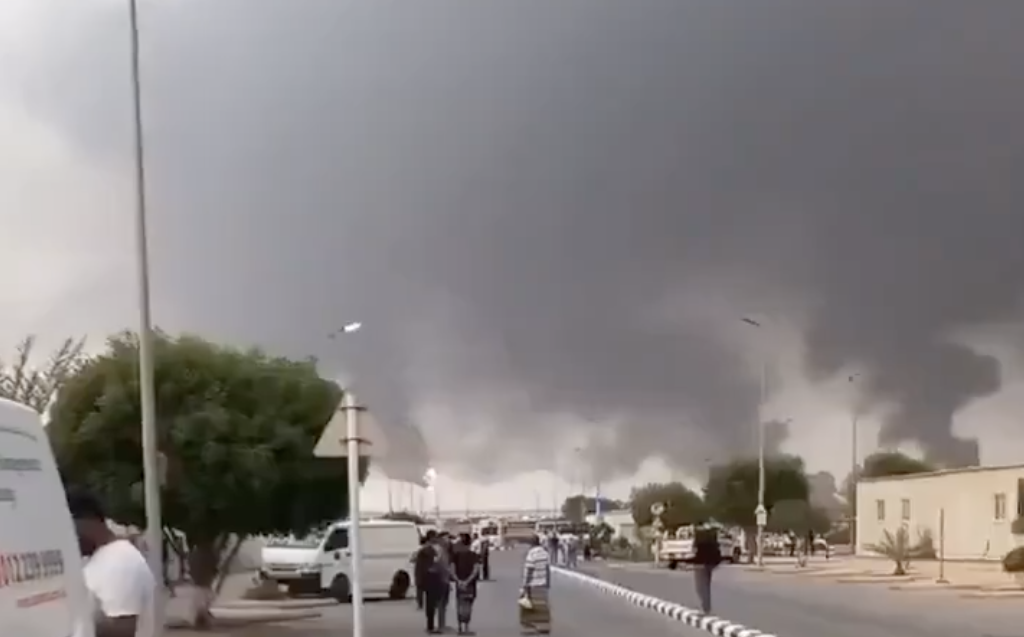
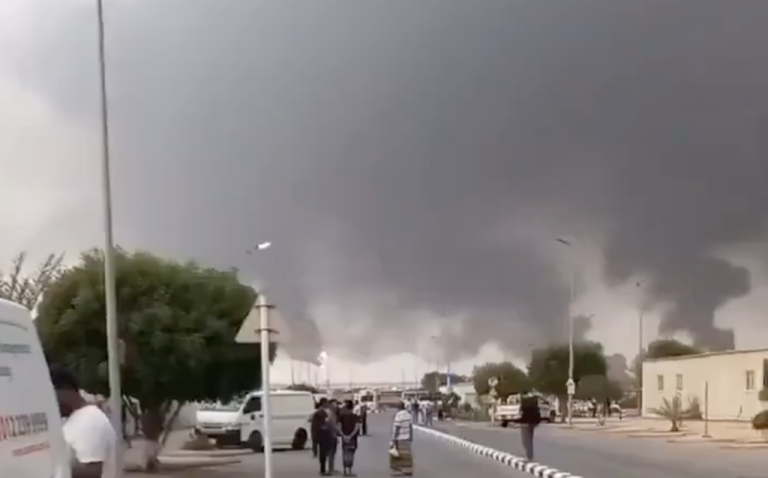
Iran’s position remains hardened on paper: Tehran rejected a ceasefire proposal conveyed by Iraqi Prime Minister Ali al-Zaidi following his visit to Washington, according to the New York Times and Iranian officials alike. That rejection came just 24 hours before Friday’s apparent pause in strikes. Whether the gap between the two sides is narrowing behind the scenes — or whether Friday night’s silence was simply an operational anomaly — will likely become clear in the coming 48 hours. ARAMCO facilities in Saudi Arabia were also targeted overnight in a separate development, per monitoring channels, suggesting Iranian proxies remain active even as the direct US-Iran kinetic exchange enters an uncertain new phase.
‘NO AD’ subscription for CDM! Sign up here and support real investigative journalism and help save the republic!