
Please Follow us on Truth Social, X , Youtube , Minds, Telegram, Rumble, GETTR, Gab, Instagram
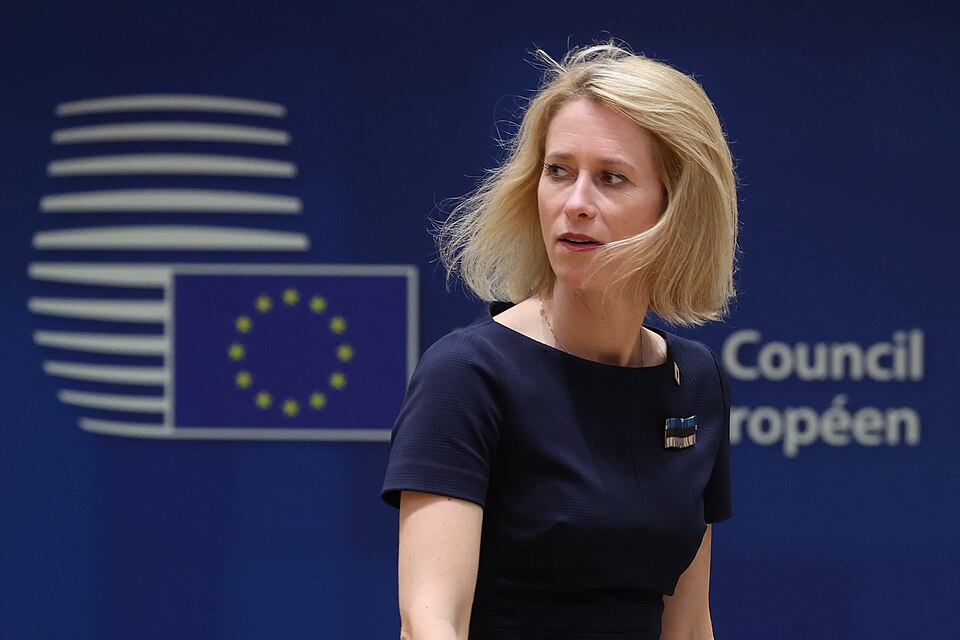
Brussels celebrated this week with its customary fanfare. European Commission President Ursula von der Leyen declared the agreement on a 21st package of sanctions against Russia another milestone in the collective effort to strangle Moscow’s war economy. “We are hitting Putin where it hurts most: cutting off the financial lifelines he relies on to sustain his war,” EU foreign policy chief Kaja Kallas added helpfully. What the press releases conspicuously omit is how the sausage got made — and the story of how this package came together is a masterclass in the gap between Brussels’ self-image and its actual political reality.
Greece, home to the world’s largest merchant fleet, held the entire package hostage until the other 26 member states agreed to rewrite a provision that would have banned Russian LNG shipping services across the board. Athens demanded — and received — a derogation allowing Greek-flagged and Greek-owned vessels to continue transporting Russian liquefied natural gas to non-EU clients beyond the January 1, 2027 cut-off date that had already been unanimously agreed. The lobbying effort was notable for its brazenness: both the Greek government and Dynagas, a major Greek shipping company heavily involved in Russian LNG transport, submitted near-identical arguments to EU ambassadors, per Euronews. Other member states noticed. Swedish Foreign Minister Maria Malmer Stenergard did not bother to hide her contempt, telling local media that “energy revenues are at the heart of Russia’s financing of the war, and the costs to Europe pale in comparison to the price the Ukrainian people are paying every day” — a not-so-subtle rebuke directed squarely at Athens.
Greece was not alone in extracting its pound of flesh. Bulgaria, under the new government of Prime Minister Rumen Radev, publicly threatened to veto the entire package unless Patriarch Kirill — head of the Russian Orthodox Church — and Lukoil founder Vagit Alekperov were removed from the sanctions list. Bulgaria’s large Russian Orthodox community and Lukoil’s deep roots in Bulgarian refining gave Sofia just enough leverage to be taken seriously. The final package was, in the words of Euronews, “significantly watered down.”
The anti-globalist read here practically writes itself. Brussels has built the most ambitious sanctions regime in EU history — 21 packages spanning four years — and yet the mechanism by which those packages are assembled is a bazaar of national vetoes, commercial carve-outs, and institutional horse-trading that would make a WTO negotiator blush. Every exemption represents a revenue stream that continues to flow to Moscow. Every veto threat is a demonstration that when the chips are down, member state commercial interests outweigh collective solidarity — regardless of what the communiqués say. Le Monde reported that multiple member states asserted individual national interests and secured concessions before signing on. The 21st package passed, yes. But the cracks it exposed in the EU front are not cosmetic. They are structural, and they are widening….
‘NO AD’ subscription for CDM! Sign up here and support real investigative journalism and help save the republic!