Quantcast

Energy Independence

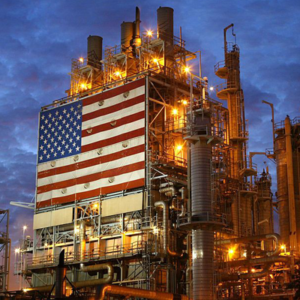
We value energy independence where coal and oil industries flourish while maintaining the pristine quality of our land, air and water. We support clean coal production and clean fracking.


In The News

Memory Stick Prices Refuse To Come Back To Earth

Memory Stick Prices Refuse To Come Back To Earth Apple CEO Tim Cook’s warning during Thursday evening’s earnings call about the deepening global memory shortage sent us back to review memory stick prices. Let’s review what Cook said… “We believe memory costs will drive an increasing impact on our business,” Cook told analysts, while also warning about “supply constraints.” He added, “We’ll continue to evaluate this.” It wasn’t just Cook warning about memory prices this week. Meta and Microsoft also noted in their earnings results that higher prices contributed to their elevated capital expenditures. Memory makers Micron, Samsung, and SK Hynix have all been racing to add new capacity as AI data centers absorb an ever-larger share of memory sticks, which are typically used in PCs and smartphones. Comments from Cook and other Big Tech firms this week about the dire situation prompted us to check the latest prices amid the memory crunch. Goldman analyst Kenta Kinuhata provided the most recent cost breakdown of memory prices. Biggest changes: DRAM: 2026 price increase estimate jumped from about 150% to 250% to 280%. Supply tightness now extends into late 2026 and early 2027. NAND: 2026 price increase estimate jumped from about 100% to 200% to 250%. Like DRAM, supply is now expected to stay tighter for longer. Pricing Amazon price-tracking website CamelCamelCamel shows that pricing for the “G.SKILL Trident Z5 RGB Series DDR5 RAM” was around $869 at the end of April. This is up from $149 in early September. The big question is when does all this new memory capacity finally hit the market and relieve the supply crunch enough to make building trading desktops affordable again? Tyler Durden Fri, 05/01/2026 – 11:00

Read More »

Three Fed Officials Explain Why They Dissented, Blasting Fed’s “Easing Bias”

Three Fed Officials Explain Why They Dissented, Blasting Fed’s “Easing Bias” This morning, three Fed officials said they dissented over this week’s policy statement because it was no longer appropriate to signal the Fed’s next move was still likely to be an interest-rate cut. “I believe the FOMC should offer a policy outlook that signals that the next rate change could be either a cut or a hike, depending on how the economy evolves,” Minneapolis Fed president Neel Kashkari said in an essay released on Friday morning. “This could tighten financial conditions somewhat today, pushing back against a high-inflation scenario that could require an even stronger monetary policy response in the future.” This week’s move marked the fifth dissent for Kashkari, formerly a vocal dove, who is currently one of the longest serving reserve bank president among the 12 regional leaders. His last vote against the majority of the committee was in 2020, when he opposed statement language that he saw as leaning too much toward rate hikes. In 2017, he dissented against each of the three interest rate increases that year. In his essay, Kashkari laid out two scenarios in which the Middle East conflict could play out. If the Straight of Hormuz were to reopen fairly quickly, underlying inflation would likely be around 3% for a third straight year, pressuring consumers and perhaps the labor market as well. That would likely require the Fed to stay on hold for an extended period before lowering rates gradually, he said. If the conflict were to drag on, though, it would drive up both inflation and unemployment in the US. Given that inflation has been above the Fed’s target for five years, that could unmoor long-term inflation expectations and lead the Fed to raise interest rates in a bid to reverse that, he said. “Rate increases,

Read More »

Bugle Call